Get Sagging Floor Repair
Sagging floor repair services help property owners fix uneven, weakened, or sagging floors caused by structural issues, often involving joist reinforcement or replacement by experienced local contractors.
Sagging floors can be a sign of underlying structural issues that may need prompt attention. Property owners in the area often explore repair services to restore safety, improve stability, and prevent further damage. Whether dealing with uneven surfaces, creaking sounds, or visible sagging, finding experienced local contractors can help ensure the work is handled effectively and efficiently. Keeping your property in good condition is a practical concern for many, and exploring your options for sagging floor repair is a step toward maintaining a safe and solid foundation.
Comparing local service providers allows property owners to find solutions tailored to their specific needs and circumstances. Many local contractors specialize in addressing sagging floors, offering a range of repair techniques suited to different types of structures and situations. Continuing to read can help you understand the benefits of professional repair services and how to connect with trusted providers in your area who can assist with restoring your floors to proper stability.
- Sagging Floor Repair - needed when floors begin to feel uneven or bounce underfoot.
- Subfloor Stabilization - required if the supporting structure has weakened or shifted over time.
- Floor Leveling - necessary when uneven surfaces cause tripping hazards or aesthetic concerns.
- Foundation Settlement Fixes - appropriate if foundation issues are causing the floor to sag or crack.
- Structural Reinforcement - essential when existing floor supports need additional strength to prevent future sagging.
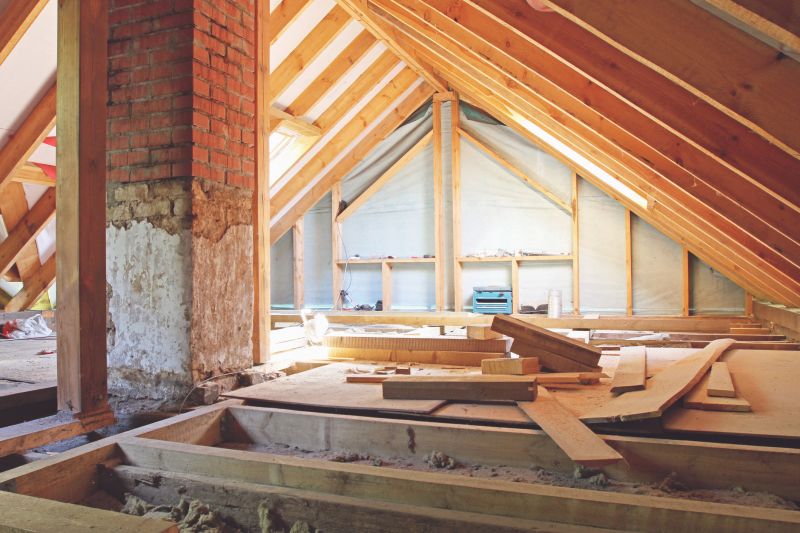
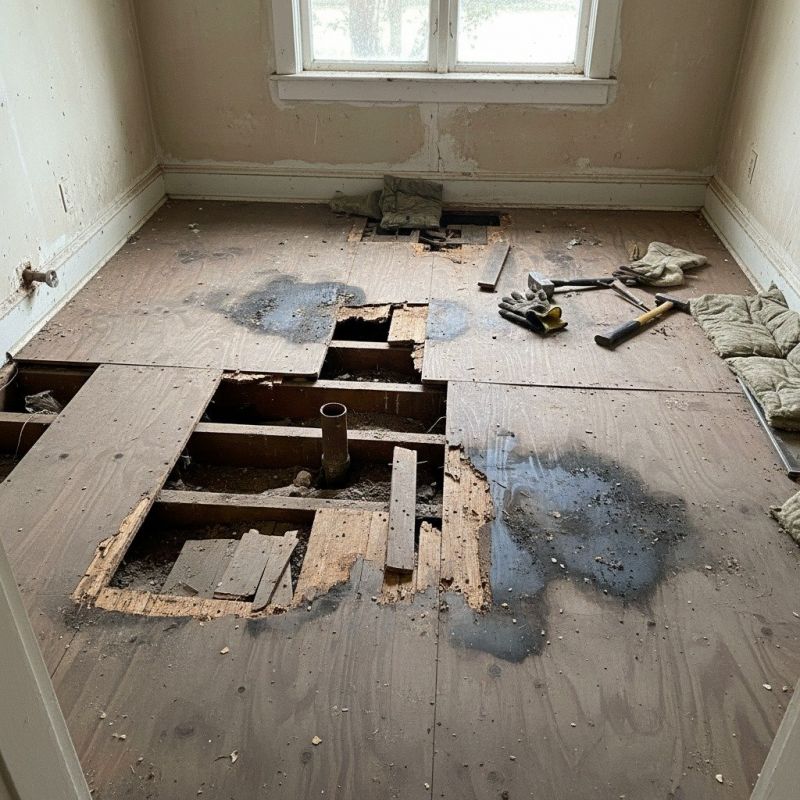
Sagging floor repair services address issues where the flooring in a property begins to dip, sag, or feel uneven. This problem often results from weakened or damaged floor joists, which are the structural members supporting the weight of the floor. When these joists deteriorate due to age, moisture, or pests, the floor above can start to sag, creating an uneven surface that affects both the appearance and safety of a space. Local contractors specializing in sagging floor repair can assess the extent of the damage, identify the underlying causes, and recommend appropriate solutions to restore stability and levelness.
This service helps resolve common problems such as creaking floors, noticeable dips, and unstable surfaces that can make walking or furniture placement difficult. Sagging floors can also lead to further structural issues if left unaddressed, including damage to walls, ceilings, and other parts of the property. Repair work typically involves reinforcing or replacing compromised joists, installing new support beams, or adding additional framing to strengthen the floor structure. These solutions aim to stabilize the floor, eliminate unevenness, and prevent future sagging, ensuring a safer and more comfortable living environment.
Sagging floor repair is suitable for a variety of property types, including single-family homes, multi-unit buildings, and commercial spaces. Older properties are often more prone to this issue due to the natural aging of materials, but newer constructions can also experience sagging if there are design flaws or structural problems. Homeowners noticing signs like sloping floors, cracked tiles, or doors and windows that don’t close properly may need to consider professional repair services. Local contractors experienced in this work can provide tailored solutions to meet the specific needs of each property, helping to restore its structural integrity and value.
Choosing to work with local service providers ensures that homeowners receive knowledgeable, reliable assistance for sagging floor issues. These professionals understand the common causes and best practices for repairing various types of floors and joist systems. Whether the problem is minor or extensive, contacting experienced contractors can help determine the most effective approach to restore a level, stable floor. For those experiencing signs of sagging or uneven flooring, reaching out to local pros is a practical step toward resolving the issue and maintaining the safety and functionality of the property.
The overview below groups typical Sagging Floor Repair projects into broad ranges so you can see how smaller, mid-sized, and larger jobs often compare in your area.
In many markets, a large share of routine jobs stays in the lower and middle ranges, while only a smaller percentage of projects moves into the highest bands when the work is more complex or site conditions are harder than average.
Smaller Repairs - Fixing minor sagging sections or localized issues typically costs between $250 and $600. Many routine repairs fall within this range, depending on the extent of the damage and accessibility.
Moderate Repairs - Addressing larger areas or more involved repairs usually ranges from $600 to $2,000. These projects are common when multiple sections need reinforcement or leveling.
Full Floor Reinforcement - Reinforcing an entire floor can cost between $2,000 and $5,000, especially for homes with extensive sagging or structural concerns. Larger, more complex projects may push beyond this range.
Full Replacement - Replacing a sagging floor entirely often starts around $5,000 and can exceed $10,000 for high-end materials or challenging installations. Such projects are less frequent and typically involve significant structural work.
Actual totals will depend on details like access to the work area, the scope of the project, and the materials selected, so use these as general starting points rather than exact figures.
Subfloor Replacement - this project involves removing and installing new subflooring, requiring skills in structural assessment, precise cutting, and material handling similar to sagging floor repairs.
Foundation Repair - addressing foundation issues often involves planning and executing stabilization techniques that can prevent or correct sagging floors.
Joist Reinforcement - strengthening or replacing floor joists to improve support shares planning, framing, and load assessment skills with sagging floor restoration.
Floor Leveling - leveling uneven floors involves similar techniques in assessing surface irregularities and applying corrective measures to achieve stability.
Structural Piering - installing piers to stabilize a building’s foundation requires expertise in soil assessment and load transfer, which relates to sagging floor solutions.
Carpentry and Framing - general carpentry projects that involve framing, cutting, and fitting materials are related through the use of similar tools and planning methods for floor repairs.
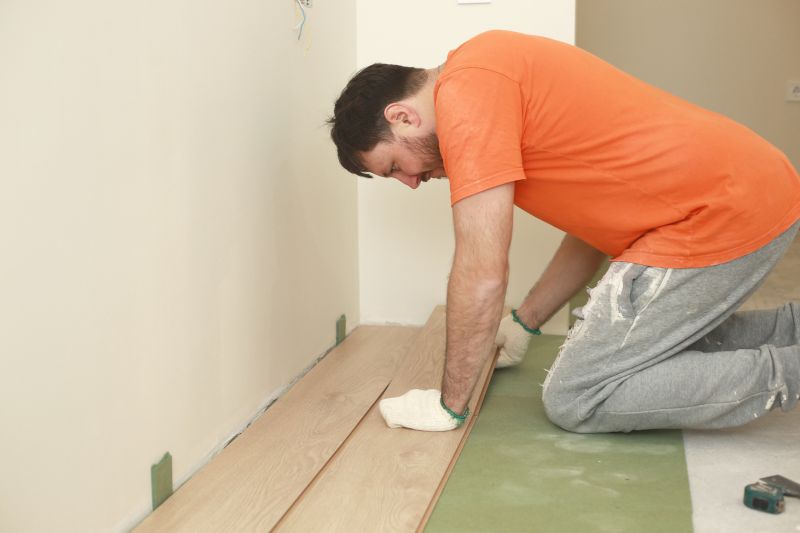
When evaluating contractors for sagging floor repair, it’s important to consider their experience with similar projects. Homeowners should look for service providers who have a proven track record of addressing issues like uneven or sagging floors, as this indicates familiarity with the specific challenges such repairs entail. Asking for details about past work can help determine whether a contractor has the necessary expertise to handle the scope of the project effectively and efficiently.
Clear, written expectations are essential to ensure everyone is on the same page before work begins. Homeowners should seek service providers who can provide detailed descriptions of the proposed work, including the steps involved, materials to be used, and the projected outcomes. Having these expectations documented helps prevent misunderstandings and provides a reference point throughout the project, fostering a smoother process from start to finish.
Reputable references and good communication are key indicators of a reliable service provider. Homeowners are encouraged to ask for references from previous clients who had similar projects completed, and to verify the quality of their work. Additionally, choosing local contractors who communicate clearly and promptly can make the process more straightforward and less stressful. It’s important to remember that the site introduces homeowners to local options for sagging floor repair services, but the actual work is performed by independent service providers in the area.
Property owners use Sagging Floor Repair services for practical projects around their homes and businesses. This guide focuses on everyday jobs and straightforward project options.
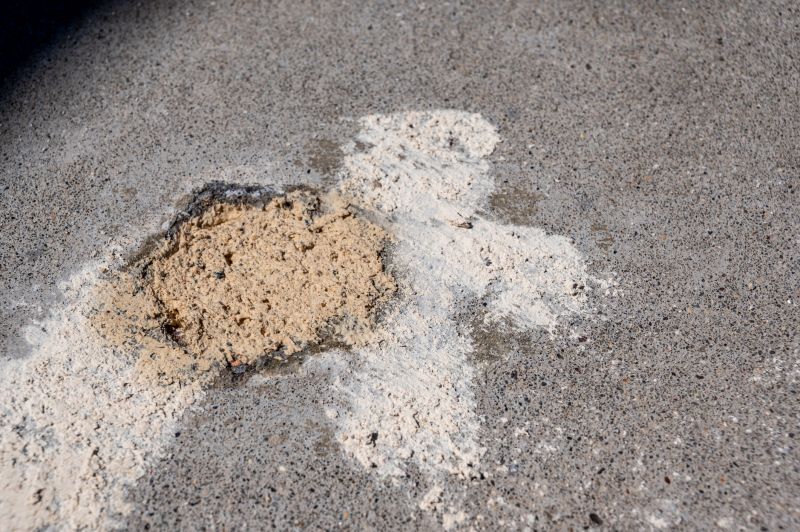
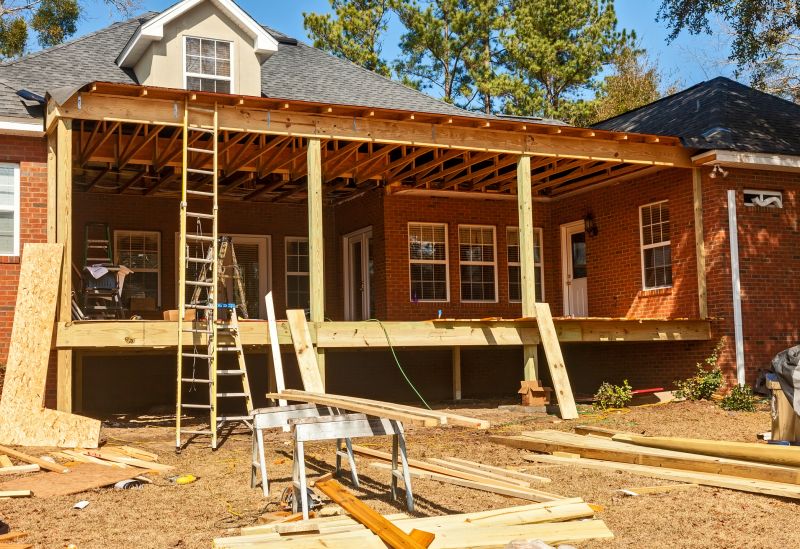
Sagging floors can be a common issue in homes and commercial properties, often resulting from underlying structural problems, moisture damage, or aging materials. Property owners noticing uneven or creaking floors may seek out local contractors who specialize in sagging floor repair to restore stability and safety. These professionals are equipped to assess the extent of the damage and recommend appropriate solutions to address issues before they worsen.
Many property owners turn to local service providers when their floors begin to sag or settle, especially if they notice gaps, uneven surfaces, or a noticeable dip in certain areas. Such signs can indicate compromised support systems or weakened joists, prompting the need for expert repairs. Local contractors experienced in sagging floor repair can help improve the integrity of a property, ensuring a safer and more level living or working space.
What causes a floor to sag? Sagging floors are often caused by issues such as weakened or damaged floor joists, prolonged exposure to moisture, or structural shifts in the foundation.
How can sagging floors be repaired? Local contractors typically evaluate the underlying cause and may reinforce or replace damaged joists, install support beams, or use jacks to level the floor.
Are there signs that indicate a floor is sagging? Common signs include noticeable dips or uneven surfaces, creaking noises, and visible gaps between the floor and walls.
Is sagging floor repair a complex process? Repair methods vary based on the severity and cause of the sagging, but experienced service providers can handle the necessary structural repairs.
How do I find local contractors for sagging floor repair? This site helps connect homeowners with local service providers who specialize in floor repair and structural reinforcement services.
Sagging Floor Inspection - Property owners can schedule inspections to identify the underlying causes of floor sagging and determine if repairs are needed.
Foundation Stabilization Ideas - Homeowners can explore options for stabilizing their foundation to prevent further sagging and maintain structural integrity.
Subfloor Repair Planning - Planning for subfloor replacement or reinforcement can help ensure a safe and level living space.
Moisture and Drainage Solutions - Addressing moisture issues and improving drainage around the property can help prevent future floor problems.
If you are thinking about Sagging Floor Repair for a property, this guide is meant to help you understand the work, the typical project types, and how different options might fit your plans.
When you are ready, you can use the quote form on this page to share a few details about your project. From there, local pros can review the basics and respond with options that match what you have in mind.